

The Bakhtiari tribe is one of the largest and most well-known nomadic tribal confederations in Iran.
For centuries, more than a million nomads in Iran have resisted modernity, safeguarded by the isolation of their way of life. In the heart of rugged mountains and harsh landscapes far from the noise of the modern world, love takes on a meaning entirely different from contemporary Western definitions. Here, love is not a story of personal choice but one woven into the fabric of tribal duty, family honor, and societal expectations.
Women play an essential role in nomadic life. They are very valuable to their men since they play an important role in the stability of the family and tribal system and the social structure of the tribe. They are family treasury and when they get old become sources of knowledge and information.
Yet, despite their pivotal role, these women face profound struggles due to deeply rooted traditions governing every aspect of their lives from their clothing to their personal choices and future aspirations. They have little control over major life decisions, particularly marriage. They are often forced into marrying someone their family chooses, and they cannot resist.
Family authority is not limited to the father alone but extends to brothers and uncles. Girls typically marry between the ages of 15 and 20, For many, completing high school is an unattainable dream, and higher education is rarely encouraged.
For nomadic women, love is not a choice but a path preordained by family and tradition. Marriage, more than a romantic union, is a contract to preserve the tribe’s name and lineage. Love, if it exists, must find a place within these constraints either hidden in silence or replaced by duty and resignation.
Young girls, dressed in bright colors with eyes full of hope, step into a world where love carries less weight than duty.
Although modernization, education, and urbanization have begun to bring change to nomadic life, many women in these communities are still victims of or condemned to traditions that define their fate before they even have a chance to choose for themselves.
This story captures the intimate reality of a traditional Bakhtiari wedding a visual narrative of love’s uncertain presence in the lives of nomadic women, where the celebration of a new beginning can sometimes mark the quiet disappearance of the self.
-
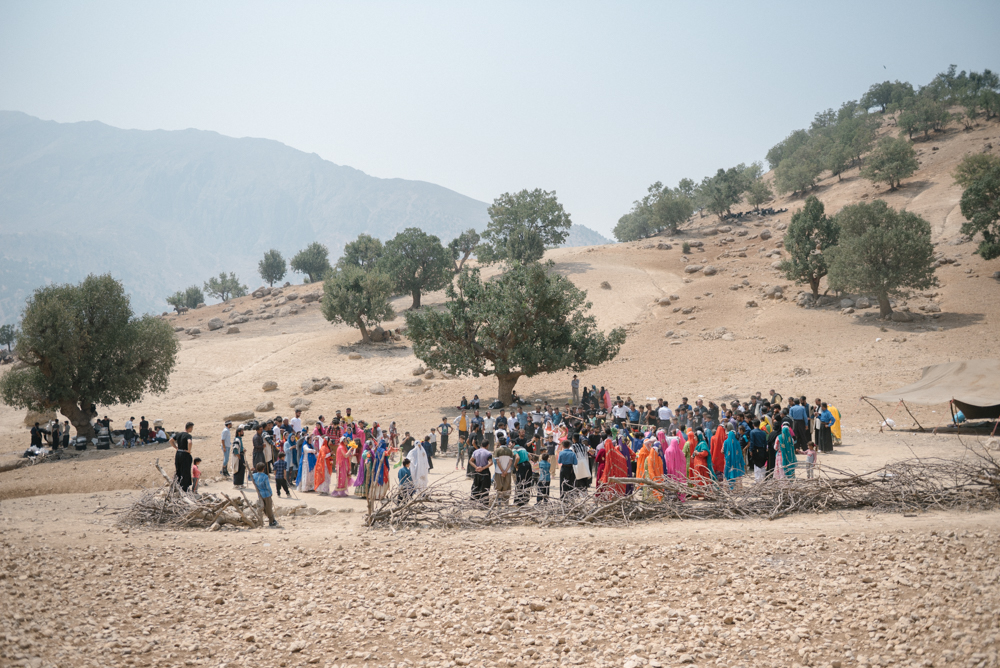
- The most events of the wedding ceremony take part in around the bride’s family’s house.
-
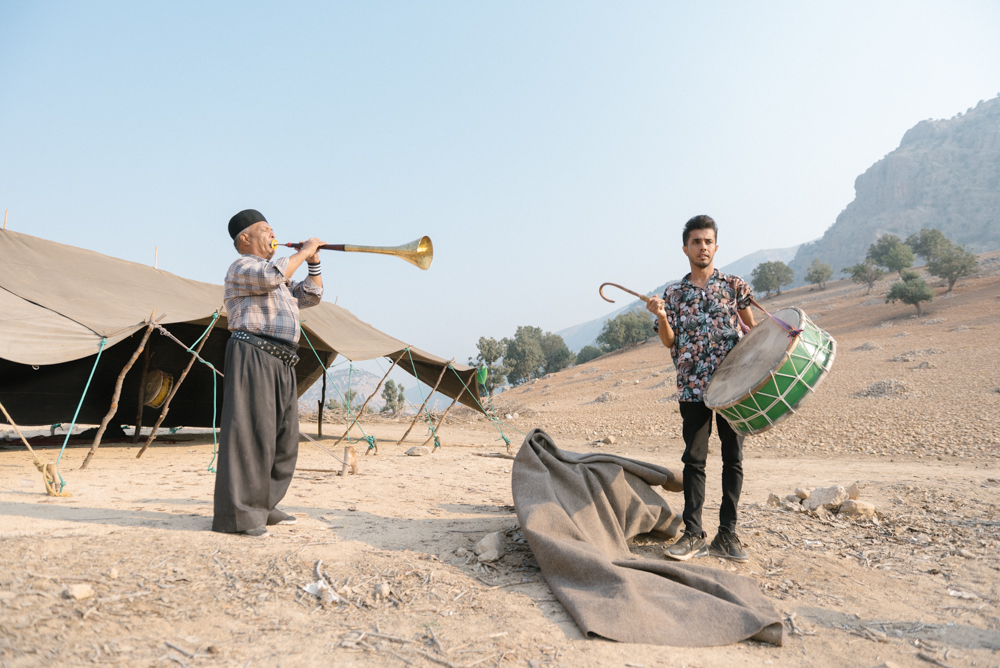
- The wedding ceremony begins with the sound of “Teshmal”, performed by Lori musicians. As the first notes echo through the air, everyone gets ready to celebrate, marking the start of a timeless tradition.
-
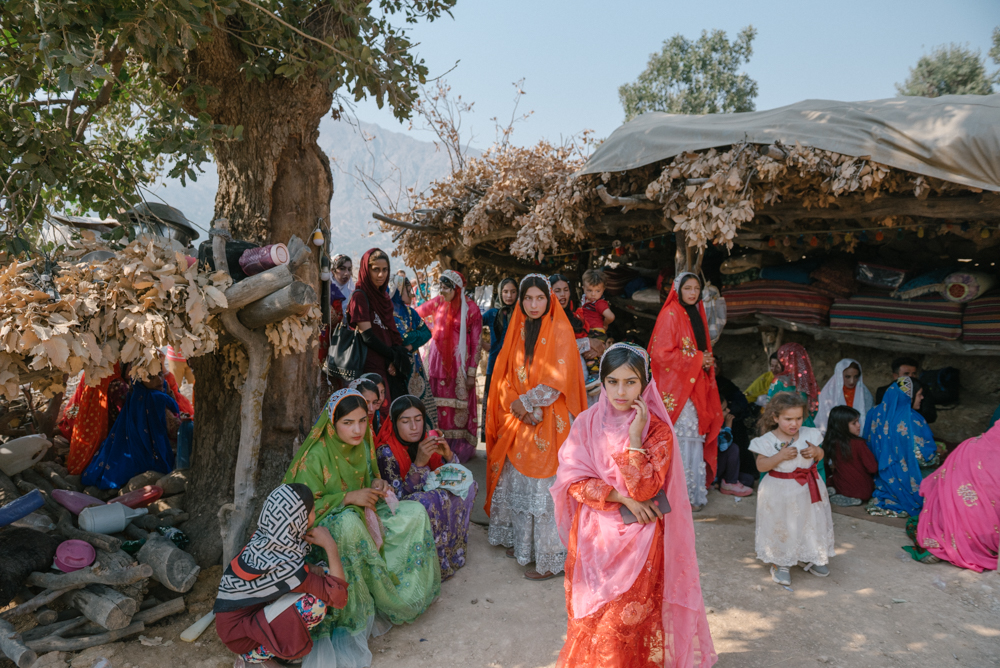
- Women prepare for ceremony
-
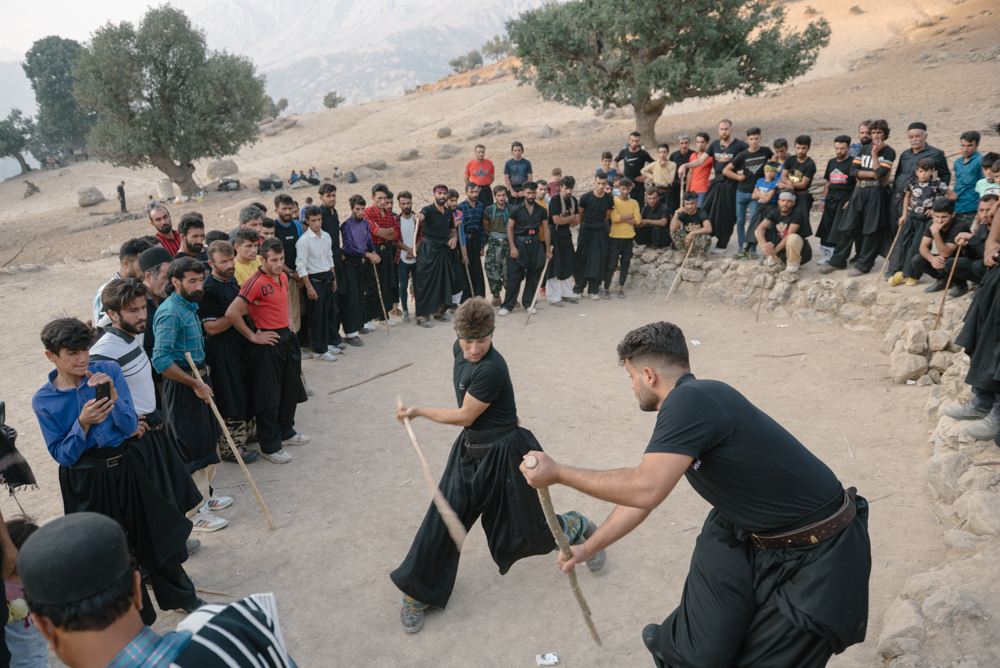
- “Chub Bazi” (Wooden Stick Play) is one of the favorite activities of Bakhtiari men, especially during important ceremonies.
-
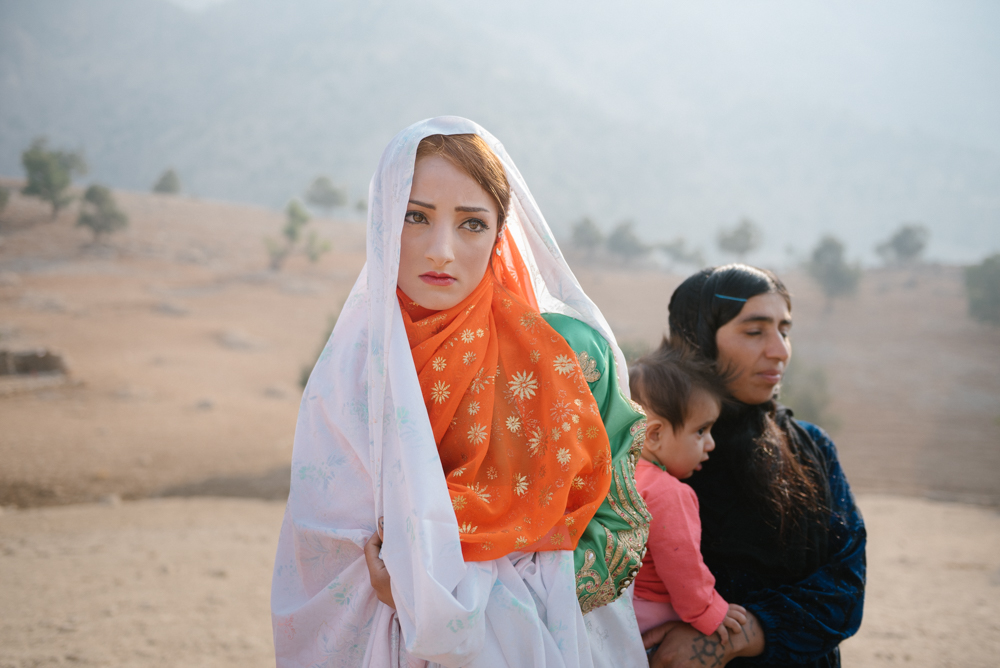
- Razieh, 18 years old, observing the ceremony of her wedding.
-
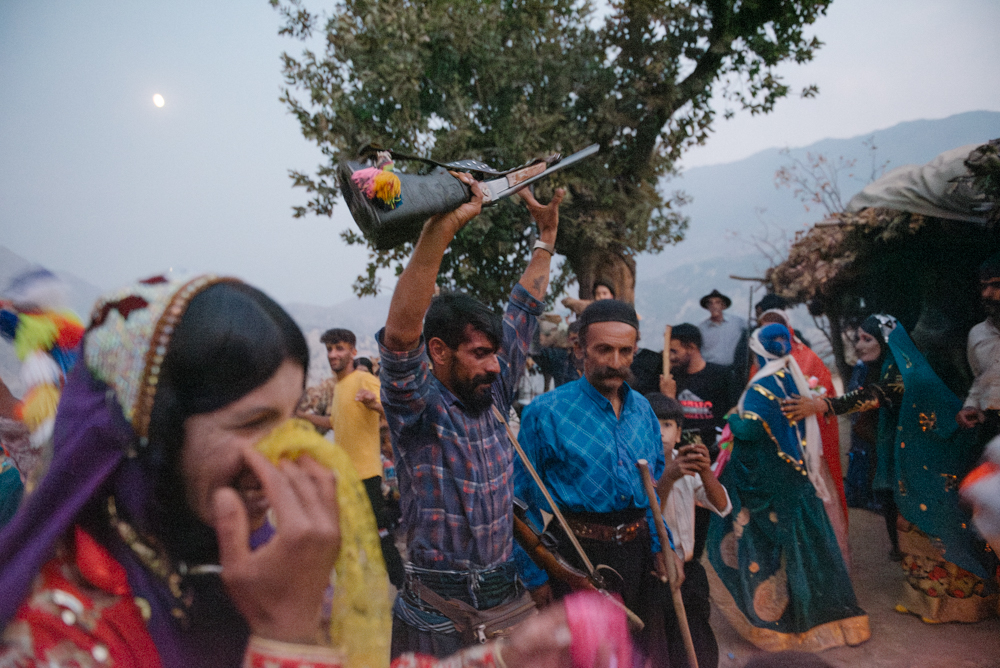
- Men dance with their rifles. In Bakhtiari culture, owning a rifle has a deep symbolic meaning not for hunting, but as a sign of victory, power, and protection.
-
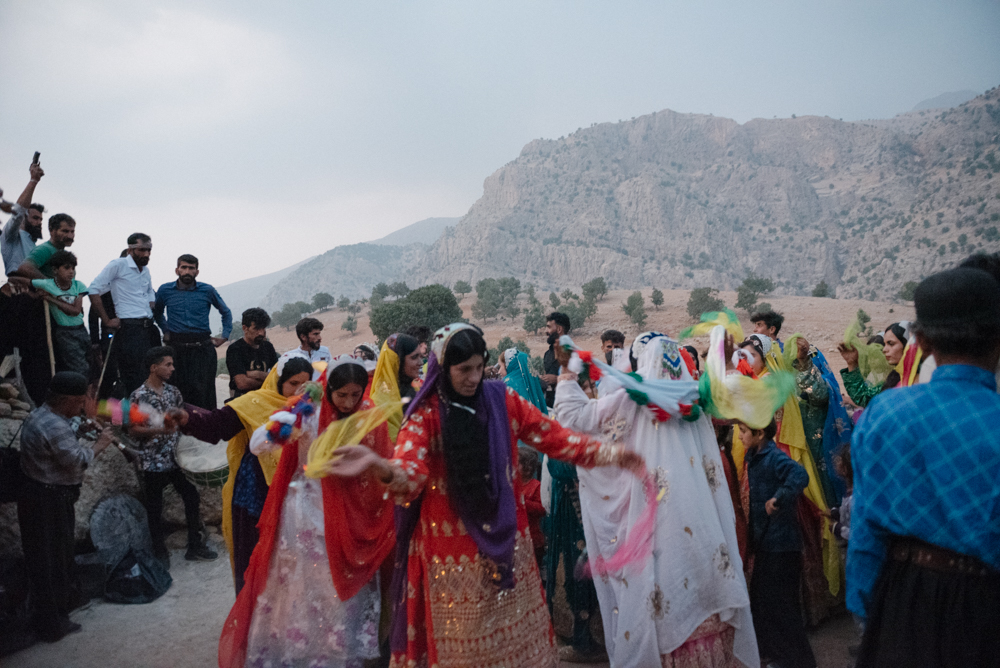
- In Bakhtiari weddings, women usually wear colorful traditional dresses, style their hair in the customary way, and apply kohl to their eyes, dancing alongside their loved ones. Weddings are one of the few occasions where tribal women get to do this.
-
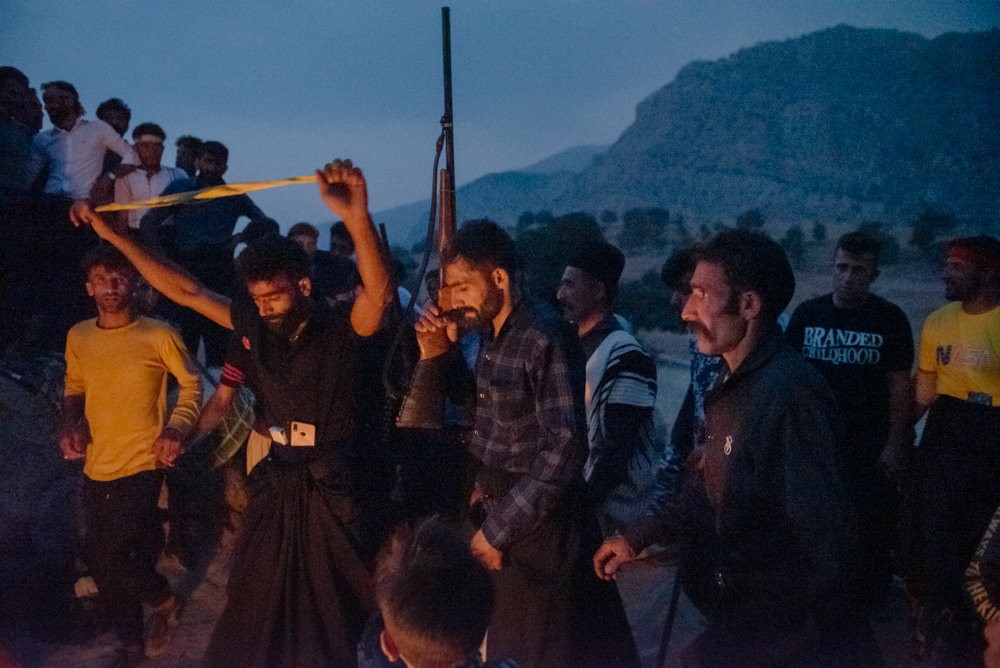
- At every important ceremony, especially during weddings, several Bakhtiari men take their hunting rifles in hand and fire into the air as a symbol of joy and pride.
-
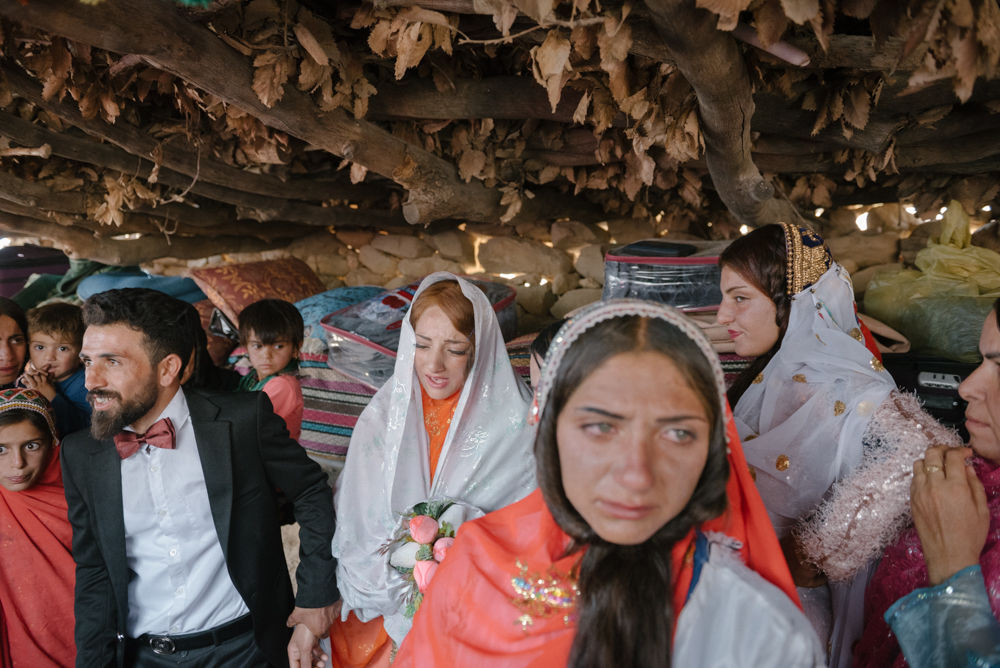
- Razieh surrounded by family and relatives at her wedding celebration.
-
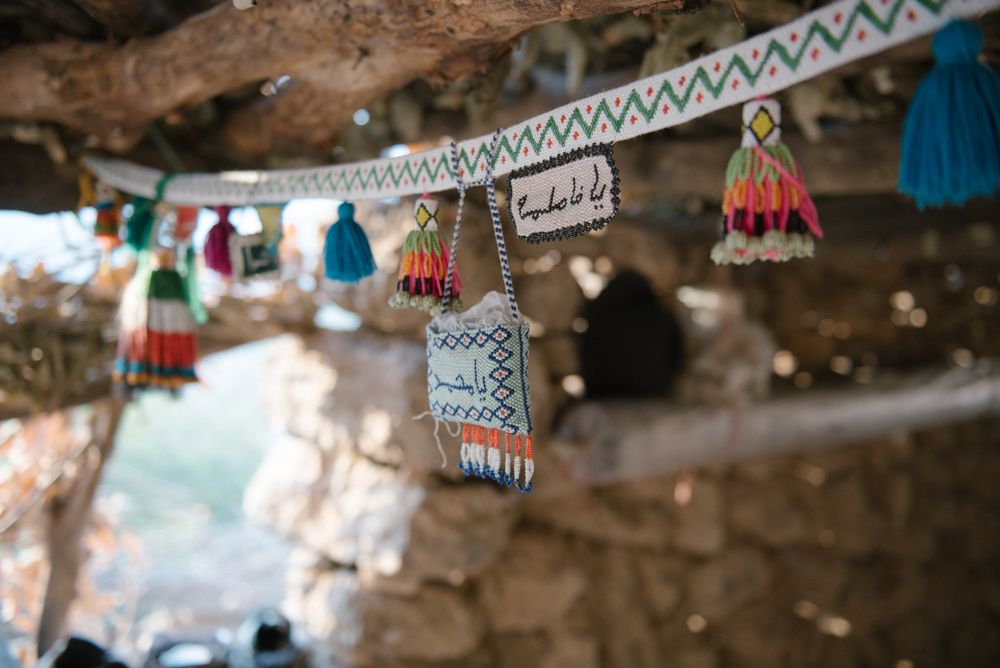
- Inside the bride’s home, a handcrafted beadwork decoration bears the names “Muhammad” and “Fatimah.” According to some hadiths, Muhammad stated that marriage fulfills half of one’s faith and is encouraged from a young age. According to many historical Shia sources, Fatimah was about 9 years old when she married Ali.
-
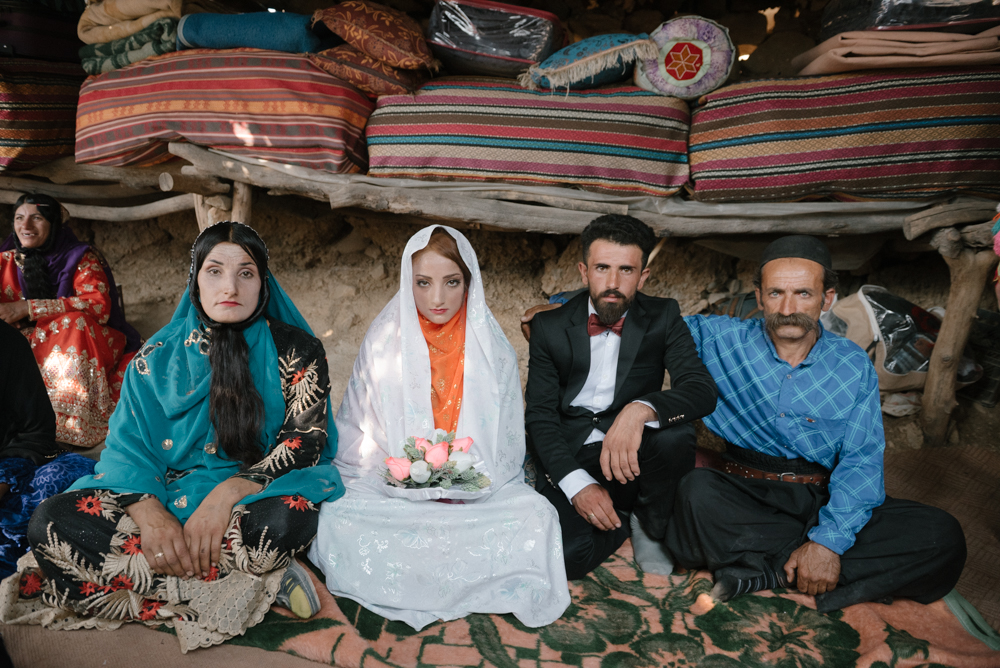
- Razieh, along with her father, mother, and husband, at her parental home. Bride’s father fastens a wrap around his daughter’s waist called “Kat- Bastan”. The wrap is filled with meat, rice, vegetables, bread, or something similar, each is a symbol of blessing, happiness, success, and wishing the first child to be a boy. The bride uses these to cook her first food after arriving at the groom’s home.
-
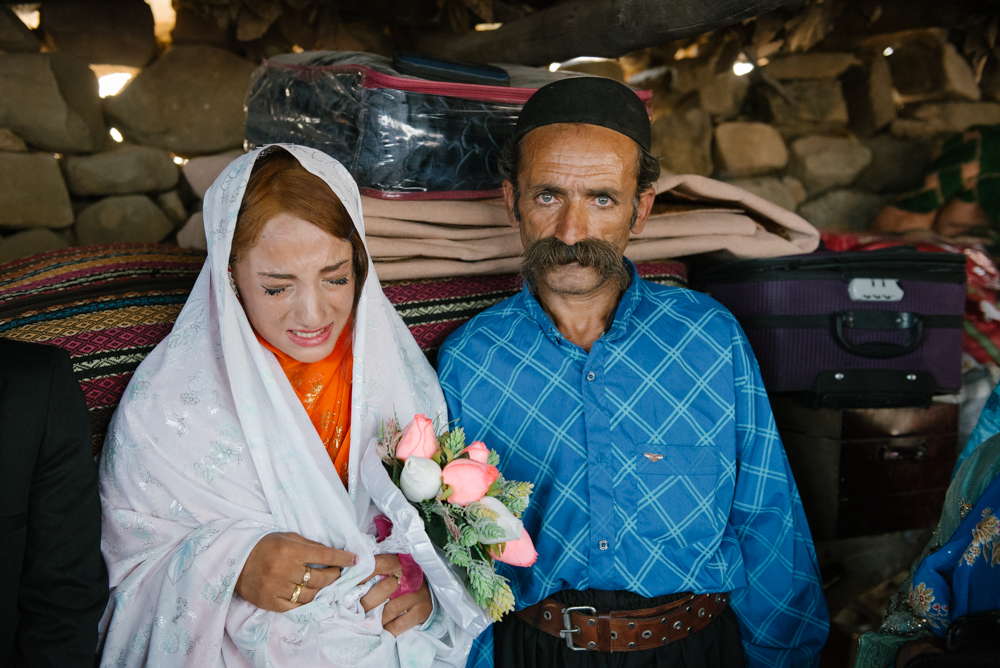
- Razieh and her father.
-
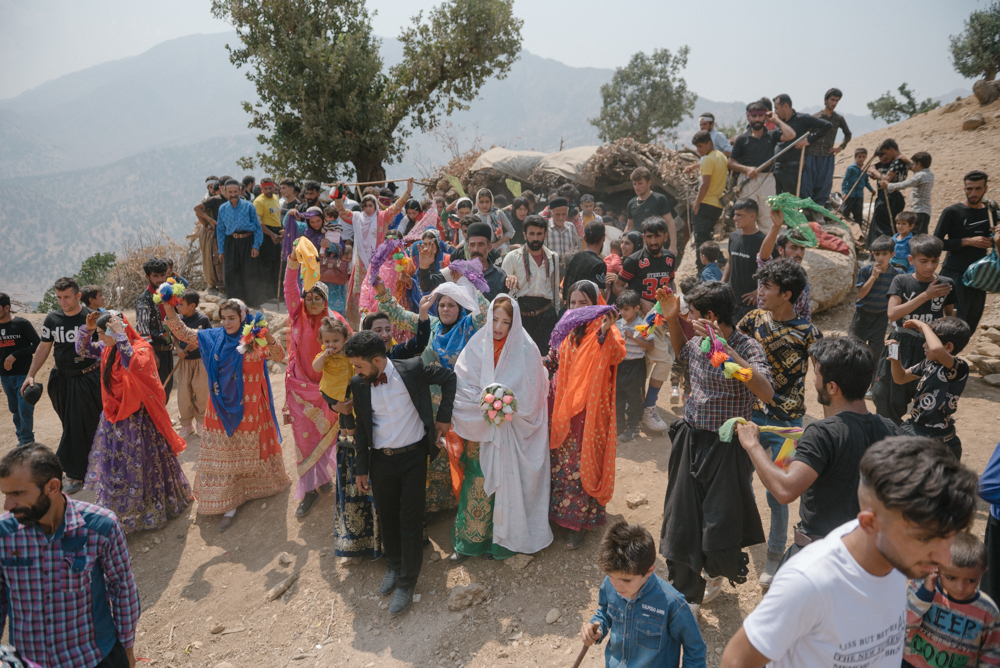
- The ceremony ends after the “Kat-Bastan,” when the groom’s family takes the bride to their home, while others bid them farewell with smiles or tears.
-
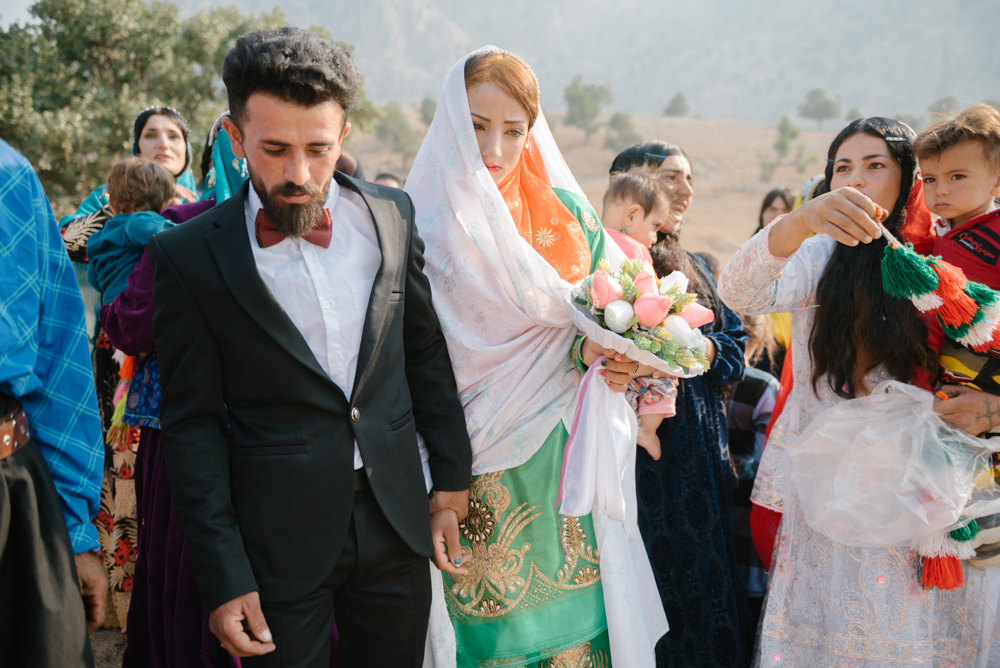
- Bakhtiari wedding ceremonies usually take place over several days. The celebrations are usually held at the bride’s home, and at the end of the ceremony, the groom takes the bride to his home, accompanied by the family.
-
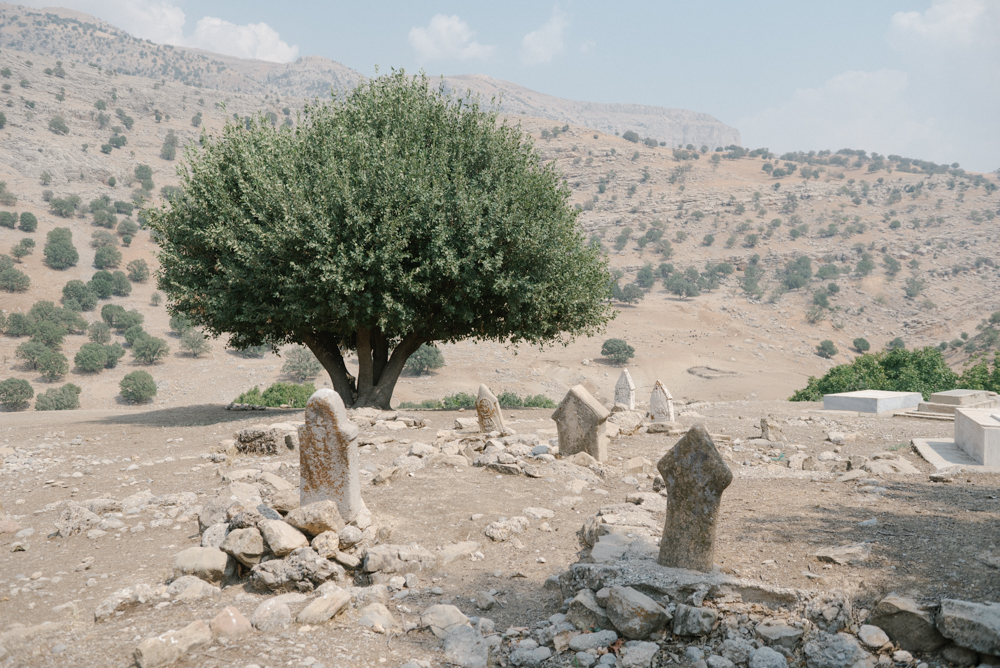
- Nomadic people due to their lifestyle which move and change their locations at the beginning of spring and autumn, usually chose their cemetery area in a safe place between their migration paths. Their grave-stones didn’t change almost until recently. . Even in death, the bonds remain, as according to tradition, couples often wish to be buried next to each other.